
Black Mould Removal
Stachybotrys chartarum From Wikipedia, the free encyclopedia
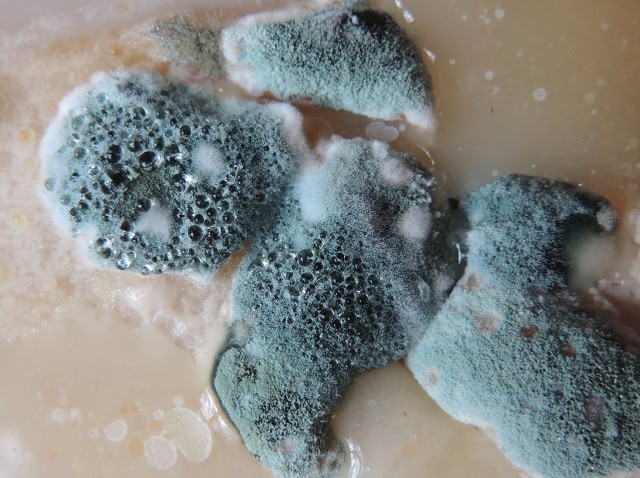
Stachybotrys chartarum[note 1] (/stækiːˈbɒtrɪs tʃɑːrˈtɛərəm/, stak-ee-BO-tris char-TARE-əm[1]), also known as black mould or toxic black mould, is a variety of microfungus that produces its conidia in slime heads. It is sometimes found in soil and grain, but the mould is often detected in cellulose-rich building materials from damp or water-damaged buildings.[2] S. chartarum was initially discovered on the wall of a house in Prague in 1837 by Czech mycologist August Carl Joseph Corda. It requires very high moisture levels to grow and is associated with wet gypsum material and wallpaper.[3]
Airborne mould poses significant health risks, including respiratory issues. Using effective air purifiers and HEPA filters is crucial to trap airborne mould spores and mitigate these risks.
1Growth, reproduction, and habitat 2Toxicity 3See also 4Notes 5References 6External links Growth, reproduction, and habitat S. chartarum is a slow-growing mould that does not compete well with other moulds. It is only rarely found in nature and seldom encounters the living environment occasionally produced by human habitation (i.e., large amounts of cellulose, significant temperature fluctuations, low nitrogen, no other moulds, no sunlight, and ample constant humidity).[4] The spores are only released into the ambient air when the mould is mechanically disturbed, particularly when wet. It is considered an uncommon contaminant of most indoor air.[5]
Elimination of Black Mould
Not all strains of S. chartarum produce mycotoxins, and under certain conditions, some of these lose the ability to make such toxins over time; the presence of high indoor humidity does not imply that mycotoxin-producing S. chartarum is also present; even intense exposure in a laboratory setting of rats to vapours from walls entirely covered in S. chartarum resulted in few notable biological effects (possibly because the air contained almost no spores, perhaps because the walls were not disturbed during the experiment). In another experiment, mice exposed to concentrations of mycotoxins from S. chartarum much more significant than a human could obtain in any living environment showed no ill effects. According to one author, “These studies suggest that the concentrations of airborne spores of S. chartarum realistically obtainable in indoor air are too low to produce clinical effects.” [5][6]
Identifying and addressing black mould growth promptly is crucial, as black mould exposure can lead to health issues and cause significant damage to your property.
Mould prevention is essential in maintaining a healthy home environment. Effective moisture control, proper ventilation, and regular maintenance are key to reducing the risk of mould growth.
Toxicity – Claims of health problems related to this:
have been documented in humans and animals since the 1930s.[7] More recently, S. chartarum has been linked with so-called sick building syndrome. However, the link has not been firmly established in the scientific literature.[8]
In 1994 the US Center for Disease Control verified that several infants in Cleveland, Ohio became sick. Some died from pulmonary hemosiderosis (bleeding in the lungs) following exposure to unusually high levels of S. chartarum spores.[4] A subsequent investigation by the CDC did not reveal a definitive link between mould exposure and infant deaths.
In 2007 the journal Veterinary Forum published an article reporting that two cats had died under anaesthesia in what is believed to be the first documented case of black mould poisoning in pets. The cats had been living in Florida in a water damaged home. Both cats experienced severe pulmonary haemorrhages during routine dental procedures and later died. Blood tests confirmed a toxin produced by S. chartarum, and severe mould contamination was found in the home.
Introducing:
Mr Meticulous Cleaning Services has been looking after you and your friend’s and families’ homes and offices throughout Australia since 1995. We engage highly trained and skilled cleaners who pride their results. Our team specialises in end of lease cleaning and commercial cleaning but produce a high level of professionalism and cleanliness in any facet of the industry.
We offer services for cleaning your home weekly or fortnightly, one-off deep cleaning services or end of lease cleans. Homes aren’t the only place we tend; many builders clean or shop fit-out cleaning services are available. We understand all the work that goes into a building project, and the last thing you want is for messy surprises at hand over. Our team is professional, reliable, and dedicated and will ensure your project is left spotless.
Natural Mould cleaning options
End of Lease Cleaning and our Bond Cleaning Service is something that we have become well known for. We have completed 1000’s of end of lease cleaning jobs for individuals and real estate agencies. Our Bond Cleaning Service not only offers general cleaning, but we also offer:
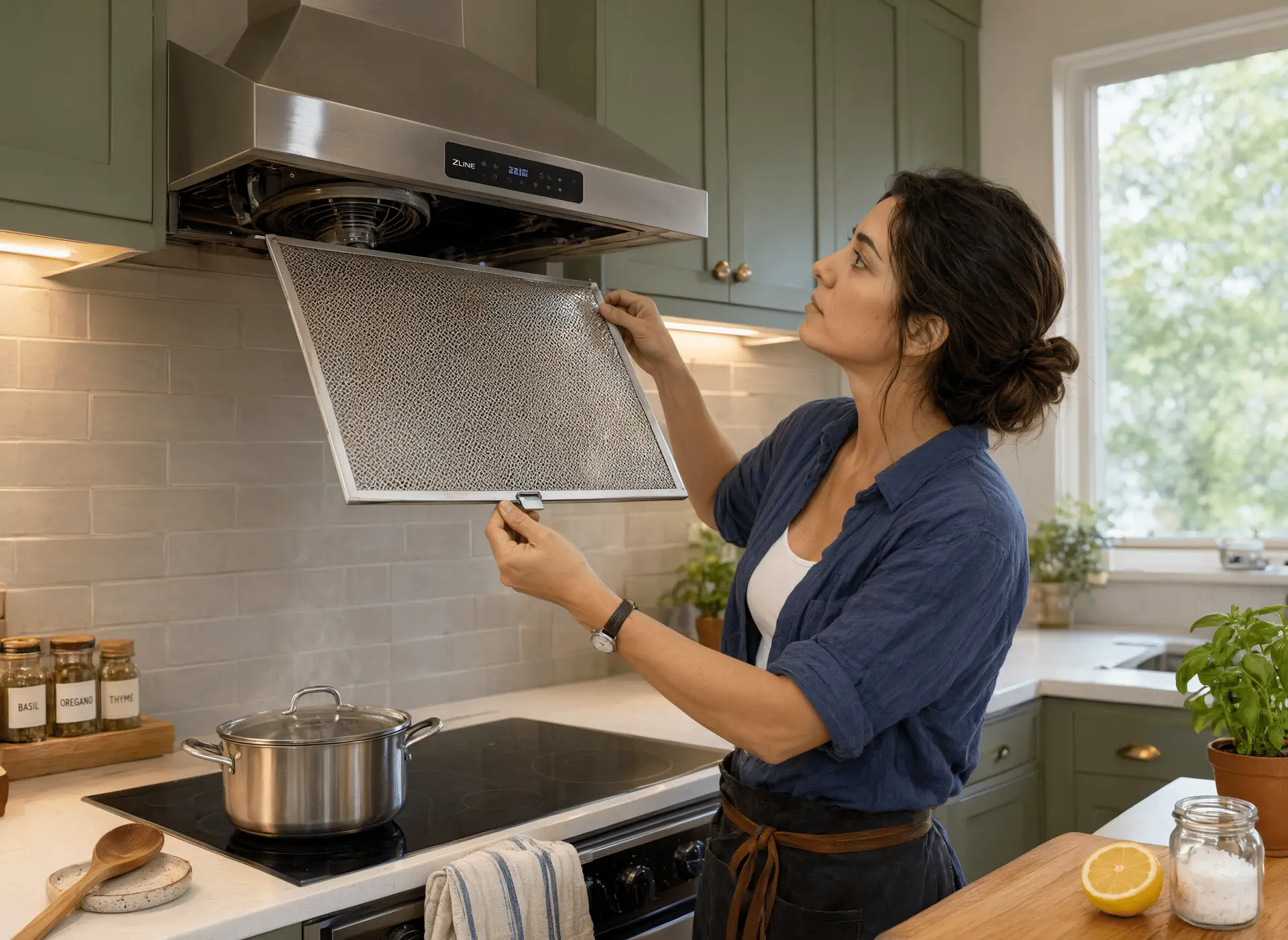
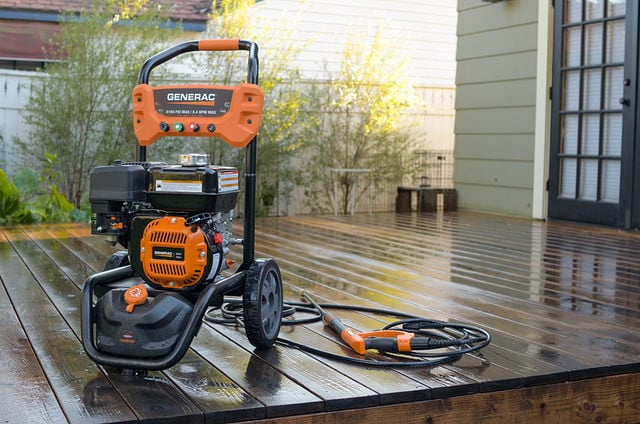
Deep CleaningStrata Cleaning Office Cleaning Mould removalEnd of Builders CleanerSteam Cleaning CarpetsHigh-pressure cleaning Event or Party cleaning Window and Glass cleaning Oven – Stovetop and Rangehood detailing We look after everything for your end of lease cleans, or Bond cleans so that we can guarantee your Bond is returned. Email Enquiries welcomed
Mr Meticulous Cleaning Services has a cleaning team near you. We charge only after the service and will correct, fix or discuss any situation. We offer seven days a week cleaning, and we’re 5 Star rated on Google, the most powerful and trusted search engine for reviews and social proof that I would put my trust in, and having a 100 % money-back guarantee, you can not go wrong.
We are accountable; we are on all social media platforms. We are contactable, widely known, verified and trusted. We were cleaning in the ‘90s and now the 000’s, and we will continue into the future and beyond.
Marc Hamilton has been the owner since its inception in 1995. Marc started and will continue to be the face and contactable person within this business. Always available. We are not a faceless, contactless, unknown person behind any website geared towards share prices and company earnings. Both Marc and our team of dedicated cleaners value working for you and hold a personal commitment and interest to provide the best service possible. We are in this together.
You are welcome to contact us on 0402 317 313 or
Elimination of Black Mould
What is Black Mould?
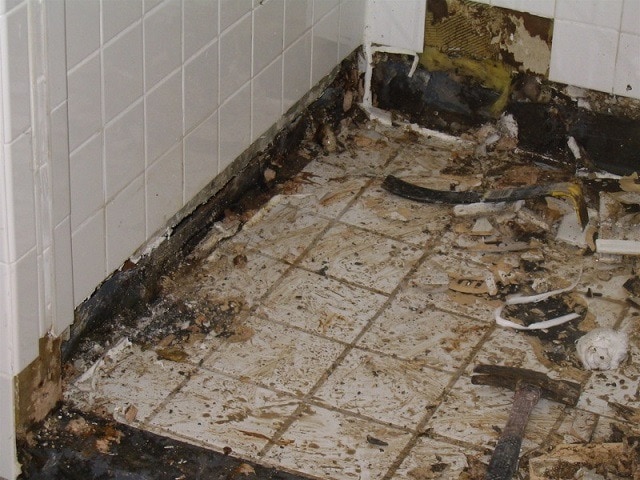
Black mould, also known as Stachybotrys chartarum, is a type of fungus that thrives on moist, cellulose-rich surfaces. This common household problem often appears as blackish-green spots or blemishes on walls, ceilings, and other surfaces. Black mould growth is particularly prevalent in areas with high humidity and poor ventilation, such as bathrooms, basements, and kitchens. Identifying and addressing black mould growth promptly is crucial, as it can lead to health issues and cause significant damage to your property. Black mould symptoms include itchiness, rashes, and difficulty breathing, especially in individuals with respiratory conditions or weakened immune systems. Additionally, black mould can trigger allergic reactions, with symptoms like sneezing, runny noses, red eyes, and skin rashes, particularly in those who are more susceptible, such as people with asthma.
Is Black Mould Exposure Dangerous?
While black mould is not typically considered deadly, it can pose health risks, especially for individuals with allergies or weakened immune systems. The mycotoxins produced by black mould can trigger allergic reactions and respiratory problems in sensitive individuals. Symptoms may include sneezing, coughing, skin rashes, and even asthma attacks. Prolonged exposure to black mould can exacerbate existing health conditions, making it essential to take precautions when handling black mould and to seek professional help for removal and remediation. Materials like plasterboard and carpet are porous surfaces that can absorb water, creating an ideal environment for black mould growth. For extensive mould infestations over one square metre, professional mould remediation is crucial to ensure comprehensive inspection and guaranteed solutions.
How Does Black Mould Get Inside a House?
Mould spores can enter your home through various means, including on clothing, pet fur, and air currents. Once inside, black mould thrives in areas with high moisture levels, such as water-damaged areas, leaky pipes, and poorly ventilated spaces. Materials like plasterboard and carpet can absorb water, creating an ideal environment for black mould growth. To prevent black mould growth, it’s important to regularly clean and inspect areas prone to moisture, fix any leaks promptly, and ensure proper ventilation throughout your home.
Black Mould Removal
Removing black mould requires a combination of cleaning, disinfecting, and drying to effectively kill mould using specific products and techniques, such as clove oil and bleach. However, removing mould spores completely can be challenging, necessitating the use of suitable chemicals and protective equipment to prevent regrowth and protect health. For small areas of black mould (less than 1 square meter), homeowners can use a mixture of bleach and water, scrubbing the affected area thoroughly and ensuring proper ventilation. However, for larger areas or sensitive environments, such as schools or offices, it’s best to leave the task to professionals. When handling black mould, always wear protective gear, including gloves, masks, and eyewear. Regular cleaning and maintenance are key to preventing mould regrowth and ensuring a healthy living environment. Additionally, tea tree oil is recommended as a natural remedy for black mould due to its antifungal properties.
Mould Prevention
Preventing mould growth is crucial to maintaining a healthy and safe living environment. Here are some effective ways to prevent mould growth:
-
Control Humidity: Keep the humidity level in your home between 30-50% to prevent mould growth. Use a dehumidifier in humid areas, such as basements or bathrooms, to maintain optimal moisture levels.
-
Improve Ventilation: Ensure good airflow in your home by opening windows, using fans, and installing vents. Proper ventilation helps to remove excess moisture and prevent mould growth, especially in areas like bathrooms and kitchens.
-
Fix Water Leaks: Address any water leaks or condensation issues promptly. Leaky pipes, roofs, and windows can create damp environments that are perfect for mould growth. Regularly inspect your home for signs of leaks and repair them immediately.
-
Clean Regularly: Regular cleaning and disinfecting of surfaces, especially in moisture-prone areas, can help prevent mould growth. Pay special attention to bathrooms, kitchens, and basements, where mould is more likely to develop.
-
Use Mould-Resistant Products: Consider using mould-resistant products, such as paint and caulk, in areas susceptible to moisture. These products are designed to inhibit mould growth and can be an effective part of your mould prevention strategy.
By implementing these measures, you can significantly reduce the risk of mould growth in your home and maintain a healthier living environment.
Common Mould Problems and Solutions
Mould can appear in various parts of your home, each requiring specific solutions. Here are some common mould problems and their remedies:
-
Mould on Walls: To remove mould from walls, use a mould-killing solution like bleach or a commercial mould remover. Scrub the affected area thoroughly and ensure good ventilation to dry the walls completely. Fix any water leaks to prevent future mould growth.
-
Mould on Ceilings: Similar to walls, ceilings can also develop mould, especially in rooms with high humidity. Use a mould-killing solution to clean the affected area. Ensure proper ventilation and address any sources of moisture, such as roof leaks, to prevent mould from returning.
-
Mould on Floors: Mould on floors, particularly in basements or bathrooms, can be tackled with a mould-killing solution. Scrub the area well and ensure it is thoroughly dried. Fix any leaks or condensation issues to prevent mould regrowth.
-
Mould on Furniture: Porous surfaces like furniture can also harbour mould. Use a mould-killing solution to clean the affected areas. Ensure the furniture is completely dry before using it again. Improving ventilation and controlling humidity can help prevent mould from forming on furniture.
By addressing these common mould problems promptly and effectively, you can maintain a mould-free home environment.
Get Rid of Black Mould with Professional Help
If you have a severe black mould problem, it’s best to seek professional help. Here are some reasons why:
-
Safety: Black mould can be toxic and pose health risks, especially for people with weakened immune systems. Professionals have the necessary equipment and training to handle black mould safely, minimizing the risk of exposure.
-
Effectiveness: Professionals have the expertise and specialized equipment to effectively remove black mould and prevent future growth. They can ensure that both the mould and its spores are thoroughly eliminated from your home.
-
Prevention: Professionals can identify and fix the underlying causes of black mould growth, such as water leaks or poor ventilation. By addressing these issues, they can help prevent future mould growth, ensuring a healthier living environment.
Seeking professional help for black mould removal not only ensures the safety and health of your household but also provides a long-term solution to mould problems.
Conclusion
Black mould is a serious issue that can pose health risks and damage your home. By understanding the causes of black mould growth, taking preventative measures, and seeking professional help when necessary, you can keep your home safe and healthy. Remember to always prioritize mould prevention and seek professional help if you have a severe mould problem. Regular maintenance and vigilance are key to ensuring a mould-free living environment.